
Everything in One Place, From Toddlers to Hardcore Gamers
Game for Gamers covers the full spectrum of play — no matter your age, skill level, or preferred format. Whether you’re a parent searching for the right educational toy for a three-year-old, a teenager ready to build their first serious PC gaming setup, a family looking for a board game that actually keeps everyone at the table, or a dedicated collector tracking down limited-edition figures and trading cards, this is the resource built for you. We cover video games across every platform, tabletop games for every group size, outdoor and physical play, collectible card games, building sets, and everything in between. One site. Every kind of game. Every kind of player.
Expert Guidance Built Around Real Buying Decisions
At Game for Gamers, we don’t list products — we help you choose them with confidence. Every guide, review, and brand breakdown on this site is written with a specific question in mind: what does a buyer actually need to know before committing to a purchase? That means honest breakdowns of age-appropriateness, difficulty levels, replay value, hardware compatibility, price-to-quality ratios, and the real differences between competing brands. We cover global industry leaders alongside independent studios and specialist manufacturers, giving you a complete picture of what’s available at every price point. No vague recommendations, no sponsored rankings — just clear, practical guidance that makes your next game purchase the right one.
Trusted Brands, Honest Reviews, and Always Up-to-Date
The gaming market moves fast, and Game for Gamers moves with it. From the latest Nintendo Switch releases and next-generation PlayStation and Xbox titles to new LEGO sets, Pokémon card expansions, and Magic: The Gathering booster drops, we keep our content current so you’re never shopping with outdated information. Our brand coverage spans the most trusted names in gaming — established giants like Hasbro, Mattel, Ubisoft, Electronic Arts, Razer, and Logitech G, alongside specialty brands like Games Workshop, Thrustmaster, and MOZA for the enthusiast end of the market. Whatever you’re looking for, Game for Gamers has already done the research.
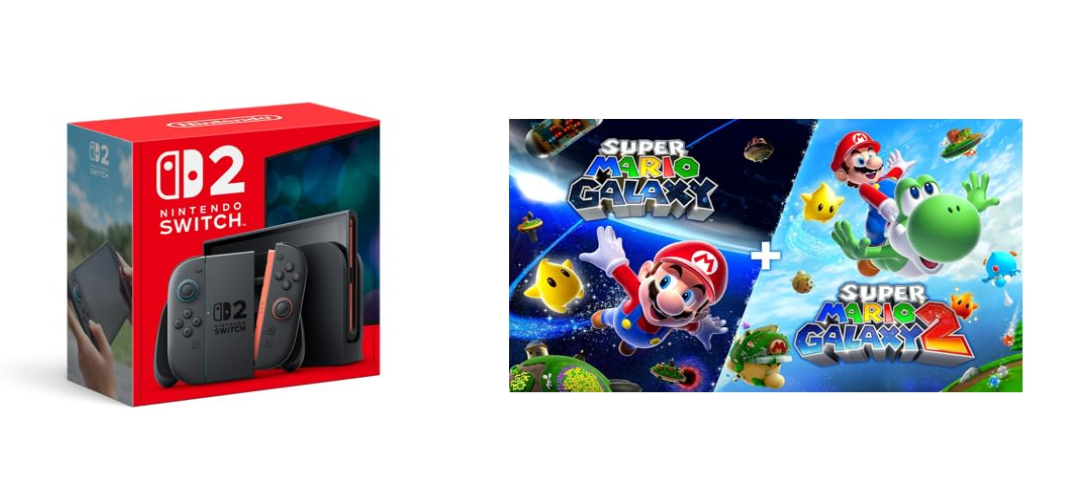
Nintendo Switch 2 System with Super Mario Galaxy + Super Mario Galaxy 2 Digital Bundle
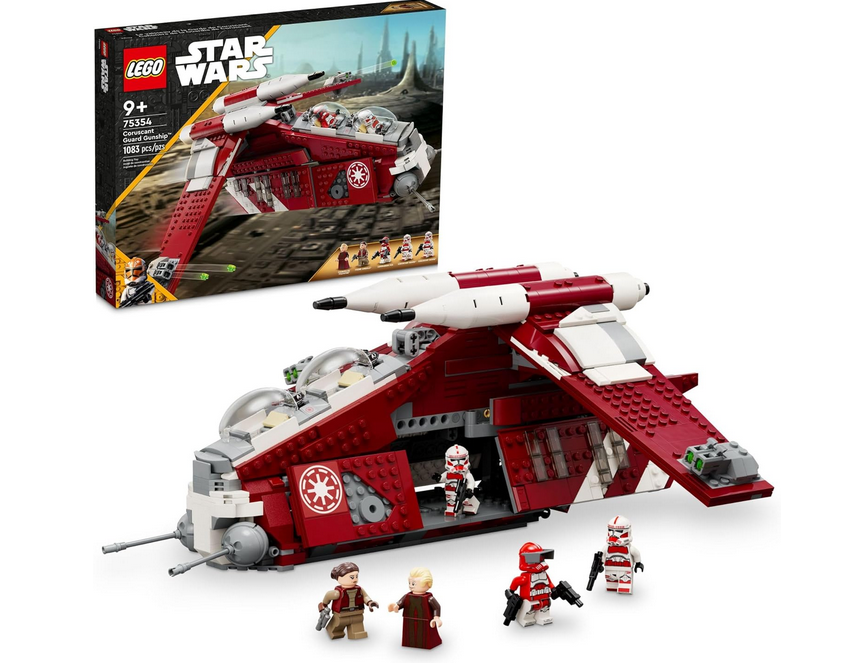
LEGO Star Wars: The Clone Wars Coruscant Guard Gunship – Buildable Star Wars Toy for 9 Year Olds – Gift Idea for Fans – Includes 3 Clone Trooper Minifigures – 75354
The World’s Best Game Brands in One Place: A Complete Guide for Every Type of Player
The global gaming market has never been more diverse, more accessible, or more exciting. Whether you grew up playing classic board games at the kitchen table, spent your formative years in front of a console, or are only now discovering what modern tabletop gaming has to offer, the sheer volume of quality products available today is genuinely extraordinary. At Game for Gamers, we’ve done the work of mapping this landscape for you — covering the brands, the products, the platforms, and the age groups that define gaming in 2026.
This guide introduces the most significant brands across every category of play, from global technology giants to beloved toy manufacturers and specialist gaming companies. Whether you’re buying for yourself, shopping for a child, or building out a gaming setup from scratch, this is where that journey begins.
Video Game Platforms and Console Gaming
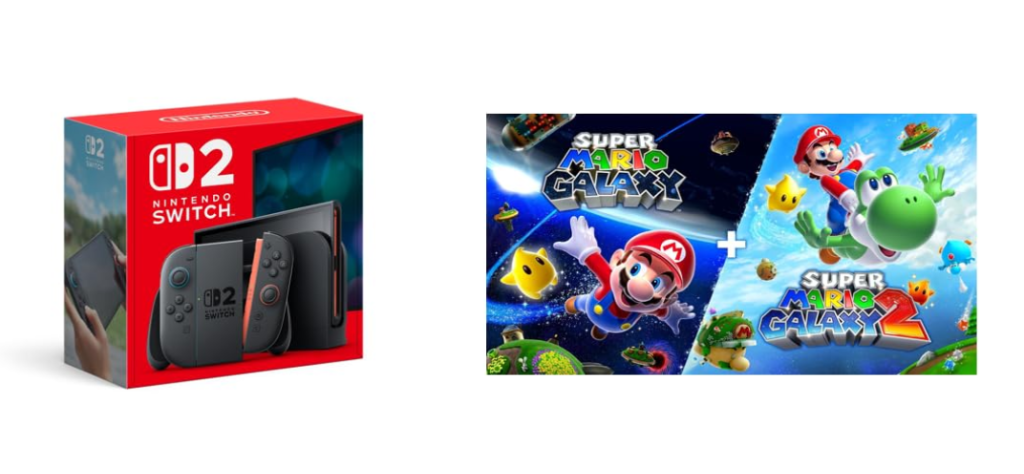
Nintendo
Few names carry as much weight in gaming as Nintendo. The company’s current hardware lineup centers on the Nintendo Switch platform — a hybrid console that functions as both a home television system and a portable handheld device. Nintendo’s first-party game library includes some of the most critically acclaimed and commercially successful titles in gaming history: The Legend of Zelda: Breath of the Wild and its sequel Tears of the Kingdom, the Super Mario series, Pokémon Scarlet and Violet, Animal Crossing: New Horizons, and Mario Kart 8 Deluxe among them. Nintendo Switch 2, the platform’s successor, has arrived with an expanded library and enhanced hardware. The Nintendo catalog spans games appropriate for ages five through adult, with particular strength in family and multiplayer content.
PlayStation
PlayStation represents Sony’s console gaming division and currently operates through the PlayStation 5, one of the most powerful home consoles ever manufactured. The PS5 library includes first-party exclusives such as Marvel’s Spider-Man 2, God of War Ragnarök, Horizon Forbidden West, and Demon’s Souls, alongside thousands of third-party titles from developers worldwide. PlayStation also produces its own accessories — controllers, headsets, charging systems — that complement the core console experience. The platform serves primarily teenage and adult audiences, with a content library spanning action, adventure, role-playing, sports, and competitive multiplayer genres.
Xbox
Xbox is Microsoft’s console gaming brand, currently represented by the Xbox Series X and Xbox Series S hardware. Xbox distinguishes itself through its Game Pass subscription service, which provides access to hundreds of titles for a monthly fee, and through its backward compatibility program that allows players to run games from previous Xbox generations on current hardware. Key Xbox titles include the Halo series, Forza Motorsport, Fable, and the extensive catalog of games from Bethesda studios — The Elder Scrolls, Fallout, Doom, and Starfield among them. The platform is aimed at teenage and adult gamers.
PC Gaming Hardware and Peripherals
A growing segment of the gaming market focuses not on games themselves but on the hardware that makes gaming better. Several of the most trusted names in this category are represented here.
Logitech G
Logitech G is one of the most recognized names in PC gaming peripherals, producing a comprehensive lineup of mice, keyboards, headsets, controllers, and streaming accessories. Their gaming mice — including the G Pro X Superlight and G502 Hero — are used by professional esports players worldwide. The Logitech G lineup covers products from entry-level options for casual gamers through professional-grade hardware for competitive play, with pricing that reflects that range.
Razer
Razer builds a brand identity around high-performance gaming hardware with distinctive aesthetics. Their product range includes the DeathAdder and Viper series gaming mice, BlackWidow mechanical keyboards, Kraken headsets, and Razer Blade gaming laptops. The brand is particularly popular with younger adult gamers and esports enthusiasts who want equipment that performs at a competitive level while making a visual statement.
SteelSeries
SteelSeries produces gaming headsets, mice, keyboards, and controllers with a consistent focus on audio performance and peripheral durability. Their Arctis headset lineup is consistently rated among the best in its class for comfort and sound quality, making it a popular choice for long gaming sessions on PC and console alike.
Turtle Beach
Turtle Beach specializes in gaming headsets across all major platforms — PlayStation, Xbox, Nintendo Switch, and PC. Their product lineup ranges from budget-friendly starter headsets through premium wireless models with advanced audio processing. The brand is particularly well-represented in the PlayStation 5 headset category.
HyperX
HyperX produces gaming peripherals with a focus on accessibility and value. Their Cloud series headsets are among the best-regarded entry-level gaming headsets available, offering comfort and sound quality that consistently outperforms their price point. HyperX also produces gaming keyboards, mice, and memory products.
Keychron
Keychron has established itself as one of the most respected brands in the mechanical keyboard space, producing keyboards that appeal to both gamers and professional users. Their Q-series and V-series keyboards offer hot-swappable switches, aluminum construction, and wireless connectivity at prices that represent genuine value in a category where premium options routinely cost several hundred dollars.
Redragon
Redragon occupies the value end of the PC gaming peripheral market, producing keyboards, mice, headsets, and controllers that deliver functional gaming performance at accessible price points. For budget-conscious gamers building their first PC setup, Redragon offers a full ecosystem of compatible products.
GameSir
GameSir produces controllers and gamepads with broad platform compatibility, covering Xbox, PlayStation, Nintendo Switch, PC, and mobile devices. Their controllers are popular with gamers who want the flexibility to switch between platforms without purchasing separate hardware for each.
THRUSTMASTER
Thrustmaster is one of the leading brands in simulation racing hardware, producing steering wheels, pedal sets, and joysticks for the most demanding sim racing and flight simulation enthusiasts. Their T-series and TS-PC racing wheels are used by serious sim racers on both PlayStation 5 and PC platforms, offering force feedback and realistic resistance that transforms racing game experiences.
MOZA
MOZA has rapidly become one of the most talked-about brands in direct-drive sim racing hardware. Their R-series direct drive wheel bases deliver force feedback performance that was previously available only at significantly higher price points, making high-end sim racing more accessible than ever. MOZA equipment is compatible with PC platforms and supports the major simulation racing titles.
eXtremeRate
eXtremeRate specializes in PlayStation 5 and Xbox controller customization, producing replacement faceplates, thumbstick covers, trigger kits, and full accessory bundles that allow gamers to personalize their controllers’ appearance and feel. The brand is popular with console gamers who want to differentiate their setup without purchasing entirely new hardware.
Meta
Meta represents the leading brand in consumer virtual reality gaming through the Meta Quest platform. The Quest 3 headset is the current flagship, offering standalone VR gaming without the need for a connected PC or console. The Meta Quest library includes hundreds of VR-native games and experiences spanning action, puzzle, fitness, social, and creative categories, as well as access to PC VR content through the Quest Link feature.
Major Video Game Publishers and Developers
Electronic Arts
Electronic Arts (EA) is one of the largest video game publishers in the world, with a catalog that spans sports simulations, action games, and role-playing titles. Their FIFA (now EA Sports FC) franchise is the best-selling sports game series globally. EA also publishes the Madden NFL series, Apex Legends, Battlefield, Star Wars Jedi series, The Sims, and Dragon Age. EA titles are available across PC, PlayStation, and Xbox platforms.
Activision
Activision is responsible for some of the most commercially successful video game franchises in history. Call of Duty — spanning numerous annual releases across Modern Warfare, Black Ops, and Warzone sub-brands — remains one of the best-selling game series in the world. Activision titles are available across Xbox, PlayStation, and PC platforms, with a particular emphasis on competitive multiplayer content aimed at teenage and adult audiences.
Ubisoft
Ubisoft is a major French video game publisher known for its open-world action franchises. Their catalog includes Assassin’s Creed (spanning multiple historical settings from ancient Greece to feudal Japan), Far Cry, Tom Clancy’s Ghost Recon and Rainbow Six Siege, Watch Dogs, and Just Dance. Ubisoft titles span PlayStation, Xbox, and PC platforms with a content range that primarily targets teenage to adult audiences.
Bandai Namco
Bandai Namco is a Japanese publisher with an extensive portfolio spanning action, role-playing, and fighting games. Their catalog includes the Dark Souls and Elden Ring series (developed by FromSoftware), the Tekken fighting game franchise, Pac-Man, Dragon Ball Z: Kakarot, One Piece Odyssey, and the Tales series RPGs. Bandai Namco titles appear across PlayStation, Xbox, Nintendo Switch, and PC platforms.
Capcom
Capcom is a Japanese publisher responsible for several of gaming’s most enduring franchises. Their current catalog highlights include Resident Evil Village and the broader Resident Evil series, Monster Hunter Rise and Monster Hunter Wilds, Devil May Cry 5, Street Fighter 6, and Marvel vs. Capcom. Capcom has maintained a strong presence on PlayStation 5 in recent years, with many of its titles also available on PC and Xbox.
SEGA
SEGA publishes across Nintendo Switch, PlayStation, and PC platforms with a catalog that includes the Sonic the Hedgehog series, Yakuza (now Like a Dragon), Persona, Total War, and Football Manager. The Sonic franchise is particularly well-suited to younger audiences on Nintendo Switch, while the Persona and Like a Dragon series target adult RPG fans.
Deep Silver
Deep Silver publishes action and role-playing games with a focus on mature audiences. Their catalog includes the Metro post-apocalyptic shooter series (Metro Exodus, Metro Last Light), the Saints Row franchise, Dead Island, and Kingdom Come: Deliverance. Deep Silver content is available across PC, PlayStation, and Xbox platforms.
Collectible Card Games
Pokémon
The Pokémon Trading Card Game is one of the most popular and actively played collectible card games in the world, with millions of players across all age groups. Booster packs, elite trainer boxes, and special collection sets are produced regularly, with new expansions releasing several times per year. The TCG appeals to children from approximately age six upward, competitive teenage and adult players, and collectors who value the cards for their artwork and rarity. Recent popular sets include the Scarlet & Violet series expansions.
Magic: The Gathering
Magic: The Gathering, published by Wizards of the Coast (a subsidiary of Hasbro), is the original collectible card game and remains one of the deepest and most strategically complex games in the format. The game is played competitively at local, regional, national, and international levels. Products range from starter decks designed for new players through booster packs, collector boosters, and commander decks aimed at experienced players. Magic content is appropriate for ages thirteen and up, with competitive play attracting a primarily adult audience.
Building and Construction
LEGO
LEGO is the world’s most recognized building toy brand, producing construction sets that span themes from city environments and architecture through Star Wars, Harry Potter, Marvel, Technic engineering models, and original LEGO-exclusive franchises like Ninjago and City. The range covers ages four through adult, with sets ranging from small entry-level builds through massive display-quality models with thousands of pieces. Recent highlights include the LEGO Icons Eiffel Tower, the LEGO Technic Formula 1 car, and numerous Star Wars Millennium Falcon variants.
Toys, Outdoor Play, and Young Children’s Games
Step2
Step2 produces outdoor and indoor play equipment primarily for young children aged one through seven. Their product range includes sand and water tables, playhouses, slides, ride-on vehicles, and kitchen playsets. Step2 equipment is known for its durable construction and is a popular choice for backyard play areas and early childhood development settings.
Crayola
Crayola is a foundational arts and crafts brand for young children, producing crayons, markers, colored pencils, paint sets, and craft kits. While not a game brand in the traditional sense, Crayola products are consistently purchased alongside toys and games for children aged two through twelve, and the brand is frequently bundled with creative play sets and activity kits.
JOYIN
JOYIN produces affordable outdoor and indoor play toys with a focus on activities for younger children. Their bubble makers, outdoor games, and party activity sets are popular for seasonal play and group entertainment, making them a practical choice for families seeking engaging activity options at accessible price points.
Melissa & Doug
Melissa & Doug is a well-regarded educational toy brand covering puzzles, sticker books, craft activities, wooden toys, and pretend play sets for children aged one through ten. The brand is known for its focus on tactile, screen-free play that encourages creativity and fine motor development. Their sticker books and activity sets are particularly popular for travel and quiet indoor play.
Little Tikes
Little Tikes produces ride-on vehicles, outdoor playsets, basketball hoops, and toddler activity toys for children aged one through five. Their products are built for durability and outdoor use, with a design philosophy centered on active physical play. Popular products include the Cozy Coupe ride-on vehicle and various sports activity sets.
Backyard Discovery
Backyard Discovery produces outdoor swing sets, playhouses, and backyard play structures for children aged three through twelve. Their premium wooden and composite structures range from simple swing-and-slide combinations through elaborate multi-activity playsets with climbing walls, sandboxes, and covered play decks. The brand targets families investing in long-term backyard play infrastructure.
VTech
VTech produces electronic learning toys and early educational technology for children aged zero through eight. Their products include interactive learning tablets, electronic storybooks, coding robots, and developmental toys that introduce letters, numbers, and basic concepts through engaging play. VTech is a popular brand for gifting in the toddler and preschool age range.
Fisher-Price
Fisher-Price is one of the most iconic baby and toddler toy brands in the world, producing developmental toys, activity sets, play gyms, and pretend play products for children from birth through age five. Their product range includes the beloved Little People figure playsets, Rock-a-Stack stacking toy, and Laugh & Learn interactive learning series, all designed to support developmental milestones through play.
tonies
tonies produces the Toniebox — a screen-free audio system for young children that plays stories, music, and educational content through small collectible character figurines placed on top of the device. The system is popular with parents of children aged three through eight who want to encourage listening and imagination without screen time. The growing library of Toni figures covers popular children’s characters, original stories, and educational content.
LeapFrog
LeapFrog is a dedicated educational toy and game brand for children aged zero through eight, producing interactive learning systems, handheld educational tablets, phonics toys, and early STEM activity sets. Their LeapStart learning system and LeapPad platform combine digital content with physical books and activities to create engaging educational experiences that align with school-readiness skills.
Tiny Land
Tiny Land produces children’s play kitchens, wooden toy sets, and imaginative play accessories for children aged two through six. Their kitchen playsets are among the most popular in the category, featuring realistic design details, functional accessories, and durable materials that support extended pretend play.
Action Figures, Collectibles, and Character Toys
Marvel
Marvel produces an extensive range of action figures, playsets, and collectibles drawn from the Marvel Cinematic Universe and broader comic book universe. Their Marvel Legends series appeals to adult collectors with highly detailed, articulated figures of characters from the Avengers, X-Men, Spider-Man, and Guardians of the Galaxy franchises. More accessible figure lines target children aged four and up.
Disney Store
Disney Store produces figures, playsets, dolls, and plush toys drawn from Disney’s classic and contemporary animated franchises — including Frozen, The Lion King, Moana, Encanto, Pixar films, and Disney Princess characters. Products span ages three through adult collector, with particularly strong appeal in the preschool and early childhood segments.
Barbie
Barbie, produced by Mattel, remains one of the world’s best-selling toy brands, covering fashion dolls, playsets, dream houses, accessories, and career-themed doll lines. The brand has expanded significantly in recent years to include more diverse representation and a wider range of character backgrounds and professions. Barbie products are primarily targeted at children aged three through ten.
Mattel
Mattel is the parent company of several iconic toy brands — Barbie, Hot Wheels, Fisher-Price, and UNO among them — and also produces its own line of action figures, games, and licensed character toys. Their Marvel and Jurassic World figure lines are popular with children aged four through twelve.
Funko
Funko produces the Pop! vinyl figure line — stylized collectible figures featuring characters from virtually every major entertainment franchise, including film, television, gaming, sports, and music. With thousands of titles in production, Funko Pop! figures appeal to collectors from teenage to adult age ranges. The brand also produces games, including licensed versions of classic formats featuring pop culture characters.
Hot Wheels
Hot Wheels, produced by Mattel, is the world’s bestselling die-cast toy car brand, covering race cars, muscle cars, fantasy vehicles, and licensed vehicles from automotive and entertainment brands. The core 1:64 scale cars are popular with children aged three and up, while premium lines like Hot Wheels RLC and Treasure Hunt models attract adult collectors. Track sets and race systems extend play for children aged five through twelve.
TAMASHII NATIONS
TAMASHII NATIONS is Bandai’s premium collector-focused action figure division, producing ultra-detailed figures through their S.H.Figuarts, Robot Spirits, and Figuarts Zero lines. Characters span anime franchises including Dragon Ball, Naruto, One Piece, Demon Slayer, and My Hero Academia, as well as tokusatsu properties like Kamen Rider and Super Sentai. Products target adult collectors and knowledgeable teenage collectors, with price points that reflect the premium manufacturing quality.
Aurora
Aurora produces plush stuffed animals and soft toys covering a wide range of animal species, fantasy creatures, and licensed characters. Their Miyoni and Flopsie lines are popular baby and toddler gifts, while the brand’s larger plush figures appeal to children through early teen years.
Jazwares
Jazwares is a toy company producing licensed plush figures, action figures, and playsets for popular entertainment and gaming franchises. Their Fortnite and Pokémon plush and figure lines have been particularly successful, as has their Roblox toy range and Among Us collectibles. Jazwares products target primarily children and younger teenagers.
Tabletop, Board, and Miniature Games
Hasbro Gaming
Hasbro Gaming is the world’s largest board game publisher, responsible for some of the most iconic titles in the category: Monopoly, Scrabble, Clue, Risk, Battleship, Connect 4, Jenga, Trivial Pursuit, and The Game of Life. The brand also publishes UNO and numerous licensed game editions featuring entertainment properties from film, television, and gaming. Hasbro Gaming products span ages three through adult, making it the most age-inclusive brand in the board game category.
Games Workshop
Games Workshop is the British company behind Warhammer 40,000, Warhammer: Age of Sigmar, and Middle-earth Strategy Battle Game — tabletop miniature wargames that involve assembling, painting, and battling with detailed plastic figurines. The hobby combines modeling craft with strategic gaming and has a deeply committed global community of players. Games Workshop products are targeted at teenagers and adults, with starter sets designed to introduce new players to the hobby. The brand also publishes Warhammer Quest and other standalone game formats.
RC, Drones, and Technology Toys
DJI
DJI is the world’s leading manufacturer of consumer and professional drones. In the hobby and gaming-adjacent space, DJI produces RC quadcopters including the DJI Mini series, the Avata FPV drone for immersive first-person flying experiences, and the DJI Air series for photography-focused users. DJI products appeal to teenagers and adults with an interest in aerial technology, photography, and RC flight as a hobby. The FPV (first-person view) format in particular bridges the gap between gaming and physical RC piloting.
Outdoor and Party Play
PartyWoo
PartyWoo produces themed party decoration sets, balloons, and activity supplies for children’s birthdays, seasonal celebrations, and themed events. While not a game brand in the traditional sense, PartyWoo products consistently appear alongside games and toys in celebration contexts, providing the decorative complement to the entertainment components of children’s events.
Sim Racing
MOZA and THRUSTMASTER
The sim racing hardware category has experienced significant growth as racing simulation games on PC and console have become increasingly sophisticated. Both MOZA and Thrustmaster are central to this market. MOZA’s direct drive systems deliver force feedback precision at price points that represent genuine disruption in a previously ultra-premium category. Thrustmaster’s T-GT II, T300 RS, and T150 wheels offer tiered entry points into force feedback racing hardware compatible with PlayStation and PC platforms. Together, these two brands cover the spectrum from serious enthusiast to professional-grade sim racing setup.
Conclusion: The Complete Gaming Ecosystem
The brands covered in this guide collectively represent the full breadth of what gaming means in 2026 — from a toddler’s first Fisher-Price play figure to a competitive gamer’s Logitech G Pro mouse, from a family Monopoly night to a 3,000-piece LEGO Technic build, from Pokémon card tournaments to Elden Ring on PlayStation 5, from Warhammer 40,000 painting sessions to direct-drive sim racing with MOZA hardware.
At Game for Gamers, we believe that play is one of the most important things humans do at every age — and that finding the right game, toy, or gaming product for the right person makes a genuine difference in how much joy that play produces. This guide is the starting point. Explore our brand-specific guides, age-group recommendations, and platform breakdowns to find exactly what you’re looking for — whatever kind of gamer you are.
Game for Gamers: The Ultimate Destination for Every Player, Every Platform, and Every Age
If there is one truth that unites every person who has ever rolled a die, picked up a controller, shuffled a deck of cards, or snapped two LEGO bricks together, it is this: great games create great moments. The laughter around a board game table. The shared triumph of beating a difficult level. The quiet satisfaction of completing a complex build. The competitive fire of a well-matched tournament game. Game for Gamers exists to help you find those moments — more often, more reliably, and with more confidence than any single retailer or review platform can offer on its own.
This continuation of our complete gaming guide goes deeper into what makes Game for Gamers the resource serious players and curious newcomers alike keep returning to. From the philosophy behind how we evaluate games and brands, to the practical frameworks that help you make better purchasing decisions, to the communities and play styles we serve — every section that follows is built around one central commitment: helping every kind of gamer play better, smarter, and with more joy.
What “Game for Gamers” Actually Means
The name carries a deliberate double meaning. Game for Gamers is a destination — a place you come to find the information, context, and guidance you need before making a gaming purchase or exploring a new type of play. But it is also a philosophy: the belief that every game should be evaluated from the perspective of the person who is going to play it, not from the perspective of a manufacturer’s marketing brief or a retailer’s inventory priorities.
Too many gaming resources are built around what’s easiest to sell. Game for Gamers is built around what’s best to play. Those are different things, and the gap between them is where genuinely useful editorial content lives. When we evaluate a board game at Game for Gamers, we ask how it plays with two people versus six, how long it takes to explain the rules to a newcomer, whether the replay value justifies the price, and whether the components hold up after a hundred sessions. When we cover a video game title at Game for Gamers, we address accessibility, difficulty curve, content appropriateness, and platform-specific performance — not just whether the game is popular.
That buyer-first approach is what transforms Game for Gamers from a catalog into a genuine resource. And it is why readers who discover Game for Gamers once tend to return every time they face a new gaming purchase decision.
Game for Gamers Across Every Platform
One of the most common mistakes gaming media makes is siloing content by platform — treating console gaming, PC gaming, tabletop gaming, and children’s toys as entirely separate universes with no connection to one another. Game for Gamers rejects that segmentation, because real players don’t live in silos. The teenager who plays Elden Ring on PlayStation 5 also plays Catan with their family on Friday nights. The adult who competes in local Magic: The Gathering tournaments also owns a Nintendo Switch for portable gaming on work commutes. The parent who buys LEGO sets for their ten-year-old also wants to understand which video games are appropriate for that same child in three years.
Game for Gamers serves all of those needs in one place, because that is how gaming actually works in people’s lives.
Console Gaming at Game for Gamers
Console gaming remains the largest single segment of the video game market by revenue, and Game for Gamers covers it comprehensively. Our console content spans the three major platforms — Nintendo Switch, PlayStation 5, and Xbox Series X/S — with dedicated coverage of first-party exclusives, major third-party releases, and the accessories and peripherals that enhance each platform’s experience.
For Nintendo Switch owners, Game for Gamers addresses the full library across every age group. The platform’s unique strength is breadth: it serves five-year-olds playing Kirby and the Forgotten Land and adults competing in Splatoon 3 tournaments with equal credibility. Our Nintendo coverage at Game for Gamers helps families identify which Switch titles work across multiple age groups simultaneously — a practical consideration for households where the console is shared.
For PlayStation 5 owners, Game for Gamers focuses on the platform’s exceptional first-party output alongside the multiplatform titles that perform best on Sony hardware. We address the performance differences between PS5 and PS4 versions of backward-compatible games, help readers decide between standard and digital editions, and cover the PlayStation VR2 headset as a distinct gaming experience within the broader PlayStation ecosystem.
For Xbox owners, Game for Gamers gives particular attention to the Game Pass ecosystem, helping subscribers maximize value from their library access and understand which titles are worth purchasing versus which to play through the subscription. Our Xbox coverage also addresses the PC/console crossover that defines the Xbox platform more than any competitor — many Xbox exclusives are also available on Windows PC, and Game for Gamers helps readers understand which platform delivers the better experience for specific titles.
PC Gaming at Game for Gamers
PC gaming is simultaneously the most powerful and the most intimidating entry point for new players. The hardware flexibility that makes PC gaming so appealing — the ability to upgrade components, customize settings, and achieve frame rates and resolutions that consoles cannot match — also creates a complexity barrier that keeps many potential players on the sideline.
Game for Gamers addresses that barrier directly. Our PC gaming content covers hardware selection at every budget level, from entry-level setups built around affordable peripherals from Redragon and budget-friendly components, through mid-range configurations using Logitech G mice, HyperX headsets, and Keychron keyboards, all the way to enthusiast-grade setups built around Razer peripherals, SteelSeries audio, and professional sim racing hardware from MOZA and Thrustmaster.
The Game for Gamers PC hardware philosophy is straightforward: the right setup is the one that matches your actual gaming habits, not the most expensive option available. A casual player who uses their PC primarily for story-driven single-player games has different needs than a competitive FPS player chasing the highest possible frame rates, and Game for Gamers treats those as genuinely different problems requiring genuinely different solutions.
VR Gaming at Game for Gamers
Virtual reality gaming has matured significantly in recent years, and Game for Gamers covers it as a legitimate gaming category rather than a novelty. The Meta Quest platform has driven mainstream adoption of standalone VR, and our coverage addresses the Quest library in depth — identifying titles appropriate for different age groups, explaining the comfort considerations that matter particularly for younger players, and helping readers understand the difference between standalone VR content and PC-tethered experiences.
Game for Gamers also addresses the physical and spatial requirements that make VR gaming different from every other format: how much clear space you need, how to handle motion sensitivity, how to set up guardian boundaries safely, and how to introduce VR gaming to children in age-appropriate ways. These practical considerations are frequently absent from VR coverage elsewhere, and addressing them is part of what makes Game for Gamers genuinely useful to buyers rather than just enthusiasts.
Game for Gamers and the Tabletop Renaissance
The resurgence of board games, card games, and tabletop role-playing games over the past decade represents one of the most significant cultural shifts in gaming history. After decades of being dismissed as a relic of the pre-digital age, tabletop gaming has emerged as one of the fastest-growing entertainment categories in the world — driven by social media, streaming platforms like Twitch and YouTube where tabletop content has found massive audiences, and a genuine hunger for face-to-face social experiences that screen-based gaming cannot replicate.
Game for Gamers has been ahead of this trend, investing deeply in tabletop content across every sub-category. Our board game coverage goes far beyond the classics — though we cover Monopoly, Scrabble, Clue, and the rest of the Hasbro Gaming library thoroughly — to address the modern board game renaissance represented by titles like Wingspan, Pandemic, Ticket to Ride, Terraforming Mars, Gloomhaven, and the rapidly expanding world of cooperative and legacy games.
Family Board Games at Game for Gamers
The family board game is a distinct and valuable category, and Game for Gamers treats it as such. Not all games marketed as “family games” actually work well with mixed age groups — some are too complex for younger children, some too simplistic for adults, and some nominally suitable for all ages but practically enjoyable only for a narrow band within that range.
Game for Gamers evaluates family games against the actual experience of playing them with families. We address the critical range of five to twelve years — the window during which children are old enough to follow rules and engage strategically but still need games that don’t require deep prior knowledge or extended attention spans. We identify games that genuinely reward adult players while remaining accessible to children, because those are the titles that actually get played repeatedly rather than sitting on the shelf after one obligatory session.
Collectible Card Games at Game for Gamers
The collectible card game category presents unique buying challenges because it operates on an ongoing investment model rather than a one-time purchase. Understanding the difference between a casual Pokémon TCG player who buys occasional booster packs for fun and a competitive Magic: The Gathering player who needs to track set releases, format legality, and metagame developments requires a genuinely different type of guidance — and Game for Gamers provides both.
Our Pokémon TCG coverage at Game for Gamers addresses parents buying for children — explaining set structures, what to expect from booster packs, how to identify legitimate products, and how the game’s competitive structure works if a child wants to play beyond casual kitchen table games. Our Magic: The Gathering coverage serves the more complex needs of a game with multiple formats, decades of card history, and a competitive ecosystem that ranges from local Friday Night Magic events to the Pro Tour.
Miniature Wargaming at Game for Gamers
Games Workshop’s Warhammer ecosystem represents one of the deepest and most rewarding hobby gaming experiences available, but it is also one of the most misunderstood by outsiders. The combination of miniature assembly, painting, army building, and strategic gameplay creates a hobby with a steeper entry barrier than almost any other game format — and significantly higher long-term rewards for those who invest in it.
Game for Gamers covers the Warhammer hobby with the depth it deserves. Our starter guides explain the difference between Warhammer 40,000 (science fiction) and Age of Sigmar (fantasy), how to choose a faction that matches your aesthetic and playstyle preferences, what tools and paints are necessary for getting started, and how to find local gaming communities. For existing hobbyists, Game for Gamers covers new releases, army list building considerations, and painting technique resources that help players improve their craft.
Game for Gamers for Families: Age-by-Age Gaming Guide
One of the most common and most important questions Game for Gamers answers is simple: what game is right for my child at this age? The answer changes significantly across developmental stages, and Game for Gamers addresses each stage with specific, practical guidance.
Ages 0–3: Sensory Play and First Toys
At the earliest ages, play is developmental rather than rule-based, and the brands that serve this stage best — Fisher-Price, VTech, Melissa & Doug, and Aurora — focus on sensory engagement, motor skill development, and cause-and-effect learning rather than game mechanics. Game for Gamers covers this category with an emphasis on developmental appropriateness, safety standards, and durability rather than entertainment value in the traditional sense.
Ages 3–6: First Games and Imaginative Play
The preschool and early childhood window is when genuine game play begins. Simple rule-based games, matching and memory games, and imaginative play sets from brands like Little Tikes, Step2, Tiny Land, Melissa & Doug, and tonies serve this stage well. Game for Gamers helps parents identify games with rules simple enough for pre-readers to grasp while engaging enough to hold attention — a narrower target than it might appear.
The introduction of screen-based learning through LeapFrog and VTech products also begins here, and Game for Gamers addresses the balance between screen-based and screen-free play in age-appropriate terms, providing parents with a framework for thinking about digital learning tools without prescribing a one-size-fits-all answer.
Ages 6–9: Strategy Emerges
The early school years are when children develop the cognitive capacity for genuine strategic thinking, rule complexity, and competitive play. Game for Gamers identifies this as one of the most exciting windows for introducing tabletop gaming — the age at which children can begin to understand Hasbro Gaming classics in their full form, start engaging with the Pokémon TCG at a basic level, build more complex LEGO sets with real satisfaction, and begin exploring age-appropriate video games on Nintendo Switch.
Our coverage for this age group at Game for Gamers specifically addresses the transition from cooperative games (where children and adults play together against the game) to competitive games (where children play against each other or against adults), and provides guidance on managing that transition in ways that maintain enthusiasm and build resilience.
Ages 10–12: The Gaming Adolescent
The tween years represent a significant expansion of gaming capacity and interest. Children in this window can engage with more complex board games, begin competitive card gaming, develop genuine skill in video games across all platforms, and start exploring the deeper end of LEGO’s Technic and Icons lines. Game for Gamers addresses this stage as a pivotal one — the age at which gaming habits and preferences established now often persist into adulthood.
Content appropriateness becomes an important consideration here, and Game for Gamers addresses it directly. Our reviews clearly identify which video game titles rated T (Teen) are appropriate for the younger end of that range and which are better suited to older teens, providing the nuance that ESRB ratings alone don’t capture.
Ages 13–17: Teenage Gaming in Full
Teenage gamers represent the most commercially powerful demographic in gaming, and also the group most underserved by resources designed primarily for either children or adults. Game for Gamers addresses teenage gaming across every platform and format — competitive video gaming, card game tournaments, tabletop RPGs, PC hardware, and the social dimensions of gaming that matter enormously in adolescence.
Our teen gaming coverage at Game for Gamers also addresses the hardware questions that come up most frequently for this age group: the first serious gaming peripheral purchase, the choice between console and PC as a primary platform, the decision between gaming headsets from Turtle Beach, HyperX, SteelSeries, and Razer, and the growing interest in sim racing hardware from Thrustmaster that often begins with a teenage passion for racing games.
Adult Gaming at Game for Gamers
Adult gamers are frequently the least well-served by mainstream gaming media, which tends to skew young in its assumptions about who is playing and why. Game for Gamers treats adult gaming as a full-spectrum category — covering everything from the adult beginner who has never owned a console through the veteran collector who tracks every Games Workshop release and maintains a curated vinyl figure collection of Funko Pop! items alongside a serious TAMASHII NATIONS S.H.Figuarts display.
For adult gamers, Game for Gamers provides the depth and nuance that casual gaming media doesn’t. We cover the competitive and collector dimensions of Magic: The Gathering. We address the serious hobbyist end of the Warhammer ecosystem. We evaluate sim racing hardware from MOZA and Thrustmaster against the specific demands of different simulation titles. And we treat adult board gaming — from gateway games appropriate for non-gamer partners and friends through heavy strategic titles that take three hours to play — with the editorial seriousness it deserves.
Game for Gamers Gift Guides: Never Buy the Wrong Game Again
The gaming gift is one of the most common and most anxiety-inducing purchasing decisions people make. Too specific and you risk duplicating something the recipient already owns. Too generic and you end up with something that sits unopened. Game for Gamers has built a comprehensive gift guidance framework that eliminates that anxiety by organizing recommendations around what we actually know about the recipient rather than what’s simply popular.
Our Game for Gamers gift guides are organized along two primary axes: recipient age and recipient gaming identity. Within each guide, we provide specific brand and product recommendations with honest assessments of what each gift communicates about the giver’s attentiveness to the recipient’s interests. A Funko Pop! figure from the recipient’s favorite franchise shows casual awareness. A TAMASHII NATIONS S.H.Figuarts figure of a character they’ve discussed in depth shows genuine attention. Game for Gamers helps you figure out where on that spectrum the right gift sits for any given recipient.
Budget guidance at Game for Gamers is specific rather than vague. We don’t suggest price ranges — we suggest specific products at specific price points, with clear explanations of why each recommendation makes sense for the stated recipient profile. For the ten-year-old who loves building: here is the LEGO set that hits the right complexity level for their age, here is why this specific set rather than a more expensive or less expensive alternative, and here is what to buy as a follow-up if this gift is well-received.
The Game for Gamers Community: Play Is Better Together
Game for Gamers is more than a content resource — it is a gathering point for people who take play seriously at every level. Whether you are a casual player looking for something new to enjoy on a quiet weekend, a competitive gamer tracking tournament results and metagame developments, a parent trying to find the right balance of screen and non-screen gaming for your household, or a collector building a curated display of the things you love, Game for Gamers is built to serve your specific relationship with gaming.
The diversity of that community is one of the things that makes Game for Gamers genuinely different from platform-specific or category-specific gaming resources. When a PC hardware enthusiast and a parent of a seven-year-old and a Magic: The Gathering tournament player and a Warhammer hobbyist all read the same publication, they bring perspectives and questions that enrich the editorial content for everyone. The parent’s question about age-appropriateness is relevant to the adult gamer who is now introducing their own children to the hobby. The hardware enthusiast’s understanding of peripheral quality informs recommendations across console, PC, and sim racing categories. The tabletop player’s deep knowledge of game design principles creates context for understanding why certain video game mechanics work or don’t.
Game for Gamers is built on the belief that all of those voices belong in the same conversation — because gaming is not a narrow hobby for a narrow demographic. It is one of the most universal forms of human play, spanning every age, every budget, every culture, and every level of dedication. Finding your place in that world, and finding the specific games and experiences that bring you the most joy within it, is exactly what Game for Gamers is here to help you do.
Why Game for Gamers Is the Resource You’ll Keep Coming Back To
In a media landscape filled with gaming content — YouTube channels, streaming platforms, social media accounts, retailer blogs, and review aggregators — the question of why to spend time with Game for Gamers specifically deserves a direct answer.
Game for Gamers earns its place in your regular reading because it prioritizes the decisions you actually face over the content that’s easiest to produce. Writing enthusiastically about the newest blockbuster release is easy. Helping a parent understand which of fifty board games is right for a specific child at a specific developmental stage is harder — and more useful. Covering the Razer versus Logitech G debate for a teenager building their first gaming setup is harder than reprinting a press release — and more valuable to the person making that decision.
Game for Gamers is also built on the understanding that gaming purchases are often made by people who don’t identify primarily as gamers — parents, gift-buyers, partners, grandparents — who need contextual help navigating a market they don’t follow closely. Serving those readers with the same quality and depth as the dedicated gaming enthusiast is part of what defines the Game for Gamers editorial mission.
And Game for Gamers is updated continuously, because the gaming market does not stand still. New hardware launches, new game releases, new set expansions, new peripheral generations, and shifting community preferences mean that the right answer to any gaming question in 2024 may be a different answer in 2026. Game for Gamers keeps pace with that change so you don’t have to research from scratch every time a new purchase decision comes up.
Whatever kind of gamer you are, whatever kind of player you’re buying for, and whatever type of game you’re looking to discover next — Game for Gamers is where that search belongs. Welcome to the only gaming resource you’ll ever need.
Featured Game Spotlight: A Magnetic Strategy Experience the Whole Family Will Love
Not every game earns a permanent place in the family collection. Most get played a handful of times and quietly migrate to the back of the shelf, displaced by newer purchases or simply forgotten between sessions. The games that stay — the ones that get requested on Tuesday evenings, that travel in the camping bag, that produce stories families still tell years later — earn that permanence through a quality that’s genuinely rare: they deliver real, repeatable fun that doesn’t depend on novelty to sustain itself.
Few recent releases demonstrate this quality as clearly as the Kollide Game by Relatable. A magnetic strategy game built around a deceptively simple premise — place your magnets along the rope without letting them snap together — the Kollide Game has become one of the most talked-about family games of the past year, driven by viral TikTok visibility and the kind of word-of-mouth enthusiasm that paid advertising cannot manufacture. Players across age groups and gaming backgrounds describe the same experience: a game that takes sixty seconds to explain, produces genuine strategic depth within the first round, and consistently generates the “just one more game” dynamic that separates good games from great ones.
The Kollide Game works for families with children as young as five, for adult game night groups looking for a fast-play opener, for travelers who need something that fits in a coat pocket, and for gift buyers who want a reliable choice across a wide range of recipients and occasions. Twenty magnets, one rope, a carrying bag, and instructions — everything needed for one of the most entertaining games currently available in its category.
For a complete breakdown of the mechanics, age-by-age guidance, strategic depth analysis, and everything else worth knowing before you buy, our full review covers it all in detail.
Featured Strategy Game: Run Your Own Movie Theater and Win the Box Office
Not every board game earns a permanent spot on the shelf. Most get played a few times and quietly fade into the background. The games that stay — the ones that get requested repeatedly, that travel to holiday gatherings, that generate real conversation and competitive fire across every session — earn that permanence through a rare combination of qualities: a theme that genuinely works, mechanics that serve it, and production quality that makes the whole package feel worth coming back to.
The Popcorn Game by IELLO delivers all three. Designed by Victor Saumont and Emilien Rotival, this competitive cinema management game challenges two to four players to buy movies, upgrade their theaters, attract guests, and accumulate more popcorn than any rival by the end of play. The bag-building mechanic — in which each player conceals their cinema guests in a personal cloth bag and draws from it each turn — adds a tactile, strategically satisfying dimension that sets it apart from comparable titles in the medium-weight strategy category. The artwork is colorful, richly detailed, and genuinely funny, filling the table with the chaotic energy of a packed movie theater lobby on opening night.
Approachable enough for ages ten and up, deep enough to reward experienced players, and contained within a sixty-minute runtime that fits any game night format — the Popcorn Game is one of the most complete packages in its category.
Featured Game: The Marble-Balancing Dexterity Game That Keeps Every Age on the Edge
Finding a game that genuinely works for everyone at the table — the six-year-old and the adult, the strategic thinker and the player who just wants to have fun — is harder than it sounds. Most games serve one audience well and compromise for the others. The best ones find a mechanic so fundamentally appealing that it transcends age, experience level, and gaming background entirely.
The Tightrope Game by MindWare is exactly that kind of game. Players take turns placing colorful glass marbles — small ones and large ones — onto a network of stretchy elastic bands strung between yellow pegs across a circular blue game board. The bands sway and bounce under increasing load. Marbles that fall return to your cup. The player with the fewest marbles remaining when someone places their last one wins. Twenty minutes. Two to four players. Ages six and up.
What makes the Tightrope Game exceptional is the combination of physical tension and genuine strategic depth that emerges from that simple premise. The elastic band network is reconfigurable between sessions, meaning no two games play identically. Experienced players develop real skills — reading band tension, timing offensive placements, managing the cascade risk across the entire network — while newcomers engage immediately through the universal appeal of keeping colorful marbles from tumbling off bouncing rubber bands. Reviewed, analyzed, and recommended in full detail on our dedicated page.
Retro Gaming Spotlight: The Console That Time Made Legendary
Some consoles earn their reputation during their commercial lifespan. Others earn it after — through the quality of the games they produced, the community that formed around them, and the specific, irreplaceable memories they created for the generation that played them at exactly the right moment in their lives. The Nintendo GameCube is the defining example of the second type.
Compact, silver, and immediately recognizable by its cube form factor and the distinctive click of its top-loading mini-disc drive, the GameCube was commercially overshadowed during its production years and has spent the two decades since accumulating the reputation it deserved all along. The game library it produced — The Wind Waker, Metroid Prime, Super Mario Sunshine, Super Smash Bros. Melee, Resident Evil 4, and dozens of others — represents one of the most concentrated collections of exceptional first-party titles any Nintendo platform has ever offered. The controller it shipped with remains actively used in competitive gaming today. And the hardware itself, built to Nintendo’s characteristic durability standards, continues to function flawlessly in refurbished examples that feel essentially new.
Our complete guide to the GameCube covers everything worth knowing — technical specifications, the full library breakdown, collector’s market context, modern setup guidance for current displays, and everything a new or returning owner needs to get the most from one of Nintendo’s most underrated and most beloved platforms.
Every game collection needs at least one game that requires zero explanation time, works for any group size, suits any age from six to eighty, and fits in a jacket pocket. Most collections don’t have one. The Left Right Center Game fills that gap better than anything else in its category.
LCR® Left Center Right™ by George & Co. is a pure dice game built around three custom specialty dice marked with L, R, C, and dot faces, and 24 blue playing chips stored in a compact 4×3×1 inch metal tin that goes everywhere without complaint. Roll the dice, pass chips left, right, or to the center pot based on what comes up, and be the last player holding anything to win. That’s the entire game. And yet it consistently produces more genuine laughter, more table drama, and more “just one more round” energy than games ten times its complexity — at parties, family gatherings, camping trips, office events, and anywhere else people sit down together and want to have a good time.
Play with the included chips, substitute quarters for real stakes, use cookies or candy for family-friendly fun, or bring dollar bills for a pot worth winning. The Left Right Center Game doesn’t care what you use — it just delivers.
What types of games does Game for Gamers cover?
Game for Gamers covers every major category of play: video games (console, PC, handheld, and VR), tabletop and board games, collectible card games, building and construction sets, outdoor and physical play equipment, educational toys and games for young children, action figures and collectibles, and gaming hardware and accessories including headsets, controllers, keyboards, and racing wheels. Whether you’re shopping for a two-year-old or a seasoned competitive gamer, you’ll find relevant content here.
How do you organize game recommendations by age group?
Our content is structured to make age-appropriate recommendations easy to find. We categorize games and toys for toddlers and preschoolers (ages 2–5), early school-age children (ages 6–9), tweens (ages 10–12), teenagers (ages 13–17), and adults — including dedicated sections for family games designed to work across multiple age groups simultaneously. Each review and guide clearly states the recommended age range and explains why, so parents and gift buyers can make informed decisions quickly.
Do you cover both physical and digital games?
Yes — Game for Gamers covers both extensively. On the physical side, we review board games, card games, tabletop miniatures, building sets, outdoor play equipment, and traditional toys. On the digital side, we cover console games for PlayStation, Xbox, and Nintendo platforms, PC gaming titles and hardware, mobile gaming, and virtual reality experiences. We also cover the growing category of hybrid games that combine physical components with digital apps or online features.
How do you choose which brands and products to feature?
We evaluate brands based on product quality, customer reception, safety standards, age-appropriateness, value for money, and market reputation. We cover both globally recognized leaders — like Nintendo, LEGO, Hasbro, and PlayStation — and specialist brands that serve enthusiast audiences particularly well, such as Games Workshop for miniature wargaming, Thrustmaster and MOZA for sim racing, and Keychron for mechanical gaming keyboards. Our goal is to represent the full landscape of quality options, not just the most advertised ones.
Can I find gift ideas for specific budgets on Game for Gamers?
Absolutely. Our gift guides are organized by both recipient age and budget range, covering options from under $20 for stocking stuffers and casual gifts through $50, $100, and $200+ tiers for more significant purchases. We clearly indicate price ranges in all our recommendations and explain what trade-offs come with different budget levels, so you can make a confident decision at whatever price point makes sense for your situation.
Do you cover gaming hardware and accessories as well as games themselves?
Yes. Game for Gamers covers the full gaming ecosystem, including the hardware and accessories that enhance the experience. This includes gaming peripherals from brands like Logitech G, Razer, SteelSeries, HyperX, and Turtle Beach; controllers and gamepads from GameSir and eXtremeRate; racing sim hardware from Thrustmaster and MOZA; and gaming keyboards from Keychron and Redragon. We approach accessories with the same depth as game reviews, covering compatibility, build quality, performance, and value.
Customer Reviews
We had the original Nintendo Switch for five years and I genuinely thought we didn’t need to upgrade. My husband disagreed. After three weeks with the Nintendo Switch 2, I can confirm — my husband was right, and I will never let him forget I said that.
The hardware difference is immediately obvious. The screen is noticeably larger and sharper, the controllers feel more solid in hand, and the whole system just feels more premium than the original in ways that are hard to articulate until you’ve held both back to back. Our kids noticed within about thirty seconds of turning it on. So did I.
But the real conversation has to be about the bundle itself, because pairing this system with Super Mario Galaxy and Super Mario Galaxy 2 is genuinely inspired. Our ten-year-old had never played either Galaxy game — they came out before she was born — and watching her experience them for the first time on this hardware has been one of the genuinely lovely parenting moments of this year. The games hold up beautifully. The gravity mechanics, the level design, the music — everything that made Galaxy legendary is still completely intact, and the Switch 2’s display does them real justice.
Super Mario Galaxy 2 in particular was a revelation for her. She finished the first game in about a week and immediately started the second without asking us, which is the clearest possible signal that the games are doing their job. We’ve had two full evenings this month where the whole family played together — taking turns, coaching each other through difficult sections, arguing about which galaxy is best — and those evenings would not have happened without this bundle putting both games in front of us at once.
If you’re on the fence about the Switch 2 specifically, stop being on the fence. And if you’re choosing between bundles, the Galaxy pairing is the right call for any household with kids who haven’t experienced those games yet. Outstanding purchase from start to finish.
Going to keep this straightforward because the product speaks for itself.
Switch 2 hardware: significant upgrade across every metric that matters. The display is bigger, brighter, and runs at a higher resolution than the original. Performance in both handheld and docked modes is noticeably smoother — load times are faster, frame rates are more stable, and the overall polish of the system software feels like a meaningful step forward. The new Joy-Con connection mechanism is more secure than the original’s, which was genuinely one of my few complaints about the first generation. The added magnetic attachment feels immediately more confident. Build quality overall feels premium in a way the original occasionally didn’t.
The Super Mario Galaxy + Super Mario Galaxy 2 digital bundle is the right call for the right buyer. Both games are genuine masterpieces — Galaxy in particular is frequently cited among the best platformers ever made, and that reputation holds. Running them on Switch 2 hardware with the improved display and processing headroom makes them look and play better than they ever did on the Wii. The motion controls translate well, the performance is rock solid, and both games together represent somewhere in the range of forty to sixty hours of content depending on how completionist you run.
For returning Switch players who have already experienced the Galaxy games, the bundle value depends on whether you want them digitally on the new hardware specifically. For new players or families introducing younger kids to the series — genuinely one of the best entry points into Nintendo platforming that exists. Both games are immediately accessible but contain enough depth to challenge experienced players in the later galaxies and star runs.
Overall: exceptional system, excellent bundle choice, zero reservations recommending both.
Okay so some context: I am thirty-four years old. I played Super Mario Galaxy on the Wii when it came out in 2007. I was seventeen. It was one of the defining gaming experiences of my adolescence — the kind of game that makes you feel like the people who made it genuinely loved making it, and wanted you to feel that love while playing.
I have not played it since. Life happened. Consoles came and went. Galaxy stayed in memory as one of those experiences you know was special but start to wonder if you’ve romanticized over time.
Reader: I had not romanticized it. It is exactly as good as I remembered. Possibly better.
There is something genuinely moving about playing a game you loved at seventeen and discovering that your thirty-four-year-old self still finds it magical. The music hits differently now — I understand more about what the orchestral arrangements are doing, I catch references I missed as a teenager, and apparently I have become the kind of adult who tears up slightly during the opening sequence of a Nintendo platformer. I am at peace with this.
The Switch 2 hardware makes the experience feel new rather than like a museum piece. The screen is beautiful, the performance is flawless, and having Galaxy 2 included means I went straight from finishing the first game into a sequel I somehow never completed back in the day. Galaxy 2 is, if anything, even more inventive than the original — denser, more varied, with Yoshi mechanics that add a dimension the first game didn’t have.
If you are someone like me — a lapsed Nintendo player who has fond memories of the Galaxy games and is looking for a reason to come back — this bundle is the reason. The Switch 2 is a genuinely excellent piece of hardware and these two games together represent some of the best the medium has ever produced. Buy it. Let yourself feel things about a plumber collecting stars in space. It’s worth it.